
10th Edition of International Conference on
Traditional Medicine and Integrative Health
June 24-26, 2027 | Rome, Italy
Holistic Treatment
Holistic medicine is a holistic approach to healthcare that considers the full person. Its goal is to improve physical, mental, and spiritual wellbeing. Holistic medicine is a type of medicine that blends standard treatment with complementary and alternative medicine (CAM). Holistic medicine isn't designed to be used in place of traditional medical care in general. It's usually suggested as a supplement to other treatments. Holistic treatment focuses on curing the whole person, not simply the symptoms of an illness or distress. A holistic doctor is a doctor who specialises in holistic medicine. The inclination to treat symptoms simply, rather than seeking and treating the fundamental cause or addressing a confluence of several contributing variables, is a response to what some people regard as a more reactionary approach to health. Because the terminology seem similar, holistic medicine and homoeopathy may be confused, but they are not the same.
- Holistic Dentistry
- Holistic Medicine
- Holistic Therapy
- Holistic Nursing
- Quantum Healings
Kenneth R Pelletier
University of California School of Medicine, United States
Gene Bruno
Nutraland, United States
Robert Kempenich
AREMA, France
Sweta Vikram
NimmiLife, United States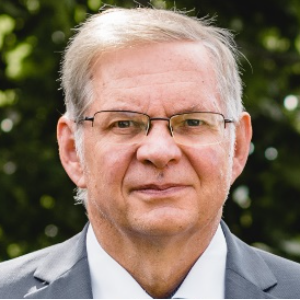
Anton Keppel
EATCM Austria, Austria
Elsa Ramos Elias
Healing Spirit-Mind-Body S.L., Spain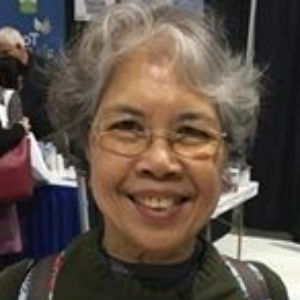
Julieta Andico Songco
JAS Consulting Services, United StatesSubmit your abstract Today


Title : Health and joy of living with the practice of what is right and not just what you like
Amadio Bianchi, European Yoga Federation, Italy
Title : Nutrition and longevity- science-based solutions to support the increasing demand in the modern society
Iuliana Vintila, University “Dunarea de Jos” Galati, Romania
Title : Pain: Anthroposophic medicine approach
Robert Kempenich, AREMA, France
Title : Integrating indigenous ways of knowing and occupational therapy: Advancing integrative health through relational and place-based practice
Jennifer Bertoni, NOSM University, Canada
Title : Beyond symptom management: The ayurvedic approach to chronic pain and integrative health
Prerak Shah, Ayulink Ayurveda, India
Title : Acupuncture without the needles
Alexis Brink, Jin Shin Institute, United States